In contrast to other wealthy countries like Germany and the Netherlands, France has little appetite for cutting the size of the EU budget, which provides generous subsidies for its powerful farming sector.
Instead, Macron is pushing Brussels to raise more money through EU-wide levies on areas like U.S. tech giants and foreign polluters rather than relying on bigger payments from national governments. As the third most highly indebted country in the EU, Paris has no leeway to drastically increase its contributions.
The Commission's original tax package — including levies on carbon imports, carbon emissions, electronic waste, tobacco revenues and corporate profits — has run into resistance from governments opposing measures that would disproportionately hit domestic industries.
As negotiations over the next seven-year budget grind on, Macron's team is canvassing for support across Europe for alternative levies they believe stand a better chance of winning unanimous backing from all 27 member countries, said the officials who were granted anonymity to discuss the sensitive diplomacy.
Introducing new EU revenue streams — known in Brussels as "own resources" — is the “sine qua non [essential] condition to approve the budget,” French Europe Minister Benjamin Haddad told reporters earlier this month. "We cannot rely solely on national contributions, no one can afford that."
Taxes remain one of the most politically sensitive issues in the negotiations, however, making a breakthrough unlikely before the final stages of the talks.
ThePreviousDossier on June 29th, 2026 at 10:29 UTC »
The fact that France is sending its Cour des comptes to lobby Berlin and Warsaw directly tells you everything. Macron's boxed in by RN polling and farm lobby demands, so he's hustling for a deal that doesn't exist yet. New own resources need 27 capitals on board and Germany won't sign off on anything Trump can weaponize. October EUCO is going to be brutal.
astral34 on June 29th, 2026 at 08:50 UTC »
This is possibly the hardest budget ever to agree on. Traditional frugal countries don’t want to increase contributions, nor eliminate rebates, while wanting to prioritise security over cohesion & agriculture. Thus they want a slimmer budget (1.7 T is the current negotiating figure and they want a lower one even)
Of the other two contributors, France is in macroeconomic distress, with national contributions already being used by RN for cheap political points. Italy is not afraid of weaponise the cushy geopolitical situation and is dead set against any cuts to cohesion and agriculture.
Receivers are all in a tough spot, both macro-economically and of course geopolitically
More EU own resources are bound to hit the largest economies harder. And the time pressure is very much real, with big elections in 2027 that could put more nationalist far right parties in power in the EU
All while there’s an energy crisis, a war on the continent , and an unhinged wannabe fascist in the White House
Any-Original-6113 on June 29th, 2026 at 08:45 UTC »
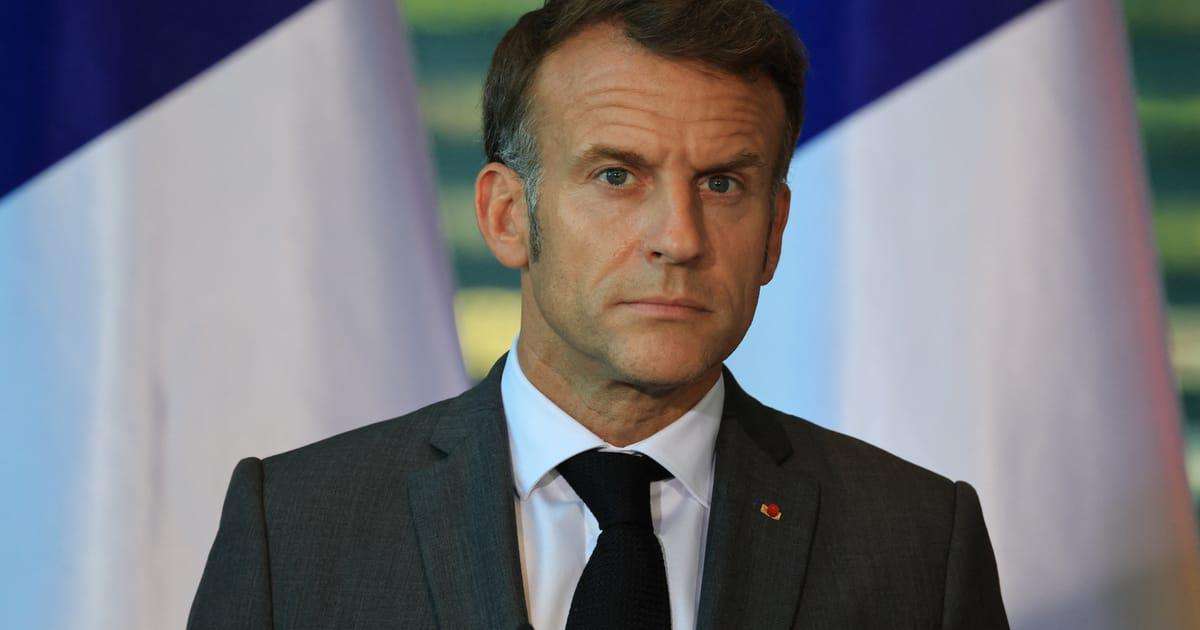
French President Emmanuel Macron has instructed his administration to find new EU-wide taxes to finance the bloc's next €2 trillion budget, according to five officials familiar with the discussions.
Failure to agree on new levies would result in Paris sending more money to Brussels — giving ammunition to the country's far-right National Rally party, which is leading the polls for the April 2027 presidential election.
The French push comes after EU governments failed to agree on a package of new revenue streams proposed by the European Commission last July, prompting it to look for alternatives.
In contrast to other wealthy countries like Germany and the Netherlands, France has little appetite for cutting the size of the EU budget, which provides generous subsidies for its powerful farming sector.
Instead, Macron is pushing Brussels to raise more money through EU-wide levies on areas like U.S. tech giants and foreign polluters rather than relying on bigger payments from national governments. As the third most highly indebted country in the EU, Paris has no leeway to drastically increase its contributions.
The Commission's original tax package — including levies on carbon imports, carbon emissions, electronic waste, tobacco revenues and corporate profits — has run into resistance from governments opposing measures that would disproportionately hit domestic industries.
As negotiations over the next seven-year budget grind on, Macron's team is canvassing for support across Europe for alternative levies they believe stand a better chance of winning unanimous backing from all 27 member countries, said the officials who were granted anonymity to discuss the sensitive diplomacy.
Introducing new EU revenue streams — known in Brussels as "own resources" — is the “sine qua non [essential] condition to approve the budget,” French Europe Minister Benjamin Haddad told reporters earlier this month. "We cannot rely solely on national contributions, no one can afford that."
Taxes remain one of the most politically sensitive issues in the negotiations, however, making a breakthrough unlikely before the final stages of the talks.
European Council President António Costa, who chairs the meetings of EU leaders, hopes to secure an overall budget deal at a summit in December 2026.
The Irish missionCosta has tasked Ireland, which takes over the rotating presidency of the Council of the EU on Wednesday, with accelerating negotiations on new taxes ahead of an October leaders' summit.
During a meeting earlier this month, the European Council asked Ireland to "present an ambitious and balanced package on New Own Resources by the October EUCO [summit]," according to one EU official. The new revenue streams are expected to raise around €400 billion between 2028 and 2034 — roughly one-fifth of the bloc's next seven-year budget.
To break the deadlock over own resources, the European Parliament proposed new levies in May on crypto firms, digital giants and online gambling. France and Spain gave preliminary backing to these ideas.
But that's still not enough for Paris. France is informally testing enthusiasm for a proposal — first floated by Air France-KLM — to tighten climate-related obligations on foreign airlines, according to two EU diplomats. However, the idea is expected to generate little additional revenue, they added.
"France supports expanding the debate, and we'll have proposals on this subject in the coming days," said Haddad last week.
For France, the goal is to avoid choosing between paying more into the EU budget and cutting farm subsidies.
"They're trying to have their cake and eat it," said one EU diplomat.
But according to a senior diplomat from a country that is traditionally skeptical toward own resources, France's campaign is a "smart tactical move."
"They're among those who understand that without new own resources there is no [budget]," they said.
As part of its lobbying effort, officials from France's Cour des comptes — the public spending watchdog — have traveled to Berlin and Warsaw to discuss possible new revenue sources, said one diplomat.
Macron and Italian Prime Minister Giorgia Meloni also pledged to "make progress toward new own resources," including a digital levy, after meeting in Antibes last week. But Germany and other more cautious governments remain opposed, fearing it could provoke retaliation from the U.S.