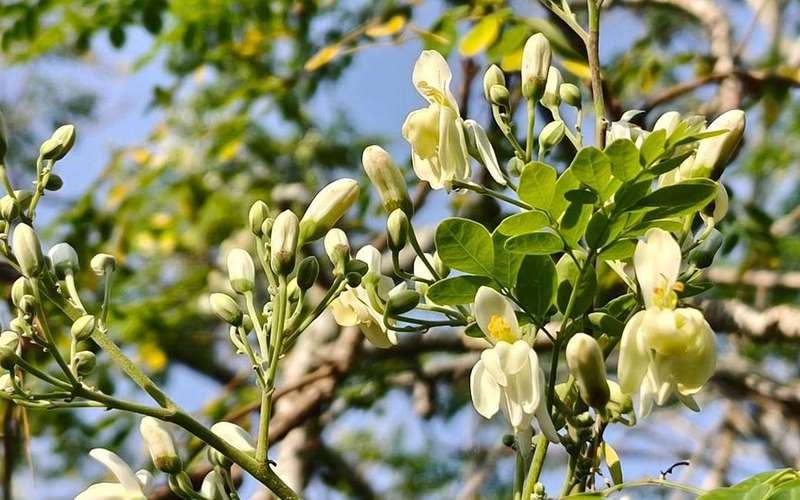
In a recent study, seeds from the ‘miracle’ moringa tree were found to match or outperform their chemical counterpart in filtering out aged PVC microplastics – one of the most harmful plastic types for human health.
The findings could pave the way for a greener alternative for treatment plants.
In 2024, the EU ramped up monitoring protocols for microplastics in drinking water.
Moringa’s wide range of uses, from treating malnutrition and diseases to water purification and anti-ageing products, have earned it the nickname of the ‘miracle tree’.
Currently, European countries use both physical and chemical methods to remove microplastics from wastewater.
Both coagulants work by neutralising the negative electrical charge that causes microplastic particles to repel each other and evade filters.
One drawback that the researchers say needs further scrutiny is the leaching of dissolved organic carbon during the process, which could complicate downstream treatment processes. »




![image for [OC] A picture I did using charcoal and pastels.](8bcc67c6-a13b-51ef-91c2-45ffc3025944_thumb.jpg)

![image for [OC] Early rendering …](20557b98-a60c-58a1-a796-47f33ffcd68a_thumb.jpg)
![image for John Korir sets new Boston Marathon record [OC]](06153911-1e7d-53f5-8fc7-a4bcda25f9b2_thumb.jpg)

![image for Earth Day Sugar Cookies [oc]](54628c4f-c494-51a1-8248-d3b9d32c5309_thumb.jpg)