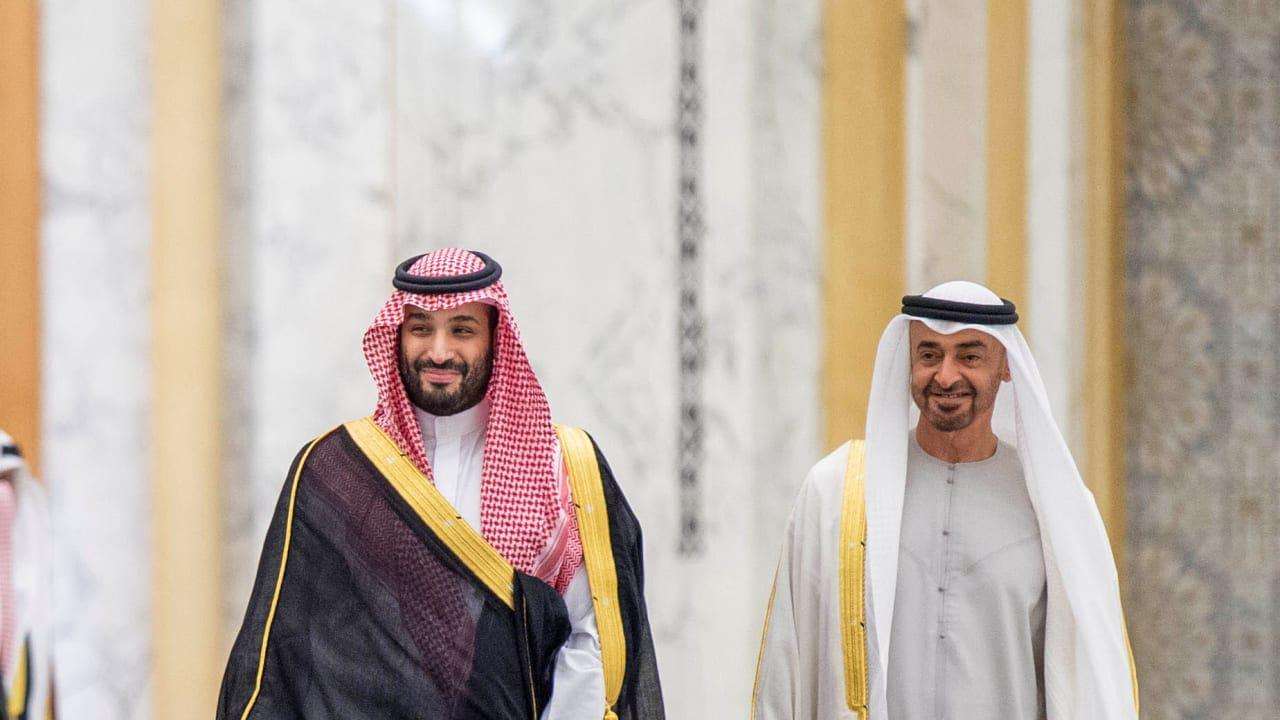
Gulf nations are blinking at a once-in-a-generation chance to reshape the Middle East.
With drone and missile attacks from Iran, nearby Arab nations have been feeling increasing pressure since the war broke out. Diplomatic tones shifted from asking the US and Israel not to attack to outright condemnation of the Islamic regime before moving again to pushing to be left out of the conflict.
This language would be more fitting in Brussels than in Riyadh.
Most leaders always have the next election cycle on their minds. These ones don’t, meaning that joining a war to wipe out the Iranian regime shouldn’t be an impossible choice; it should be an obvious one.
Inside Arab countries, the delicate balance that keeps the non-democratic systems stable appears to be the top priority. It became extremely clear as influencers in Dubai, in particular, began posting videos on social media containing the simple, short message: “I’m not scared, because our leaders protect us.”
Many have speculated that, given the scale of the online campaign, it is backed and pushed by leadership.
So, as investors begin to rethink the Gulf, tourists scramble for evacuation flights, citizens back away from a potential protracted conflict, and Western media outlets write sensationalist pieces painting the region as the dusty war zone they grew up with, Gulf nations appear, at least for now, to be taking a blinkered, narrow view.
US President Donald Trump attends an event in the East Room of the White House in Washington, DC, on February 11, 2026 (credit: ARIE LEB ABRAMS/FLASH90)
The Gulf countries like the world order as it is: China and Russia have a regional partner for their interests, Israel stays stuck fighting endless wars with Iranian proxies, local business deals come to their doorstep, and they get to play a familiar regional game with less competition.
In the long term, though, this makes little sense.
While US President Donald Trump changes his messaging depending on the prevailing wind or the media outlet he’s addressing, Israelis understand the regional implications, even if they’re not saying it out loud.
All terror-paved roads lead to Tehran, and if October 7 has taught Israelis anything, a “mowing the grass” strategy merely delays deaths, has untold consequences for perceptions, and most importantly, cannot bring stability.
For Gulf nations, their strategy is this exact poor gamble: contain the conflict and hope the world quickly forgets drones hitting fancy hotels so money and oil keep flowing.
At the same time, though, these countries are squandering what makes them unique: their lack of democracy. With no fear of ballot boxes holding the keys to power, leaders could act decisively.
They could lead the Middle East into a safer future and join in militarily, freeing the oppressed Iranian people and creating the kind of regional stability thought impossible for generations.
It wouldn’t be an easy decision, but it could actually work in their favor.
Post-Islamic Republic, major multinational deals would be needed to solve the crises compounded by decades of mismanagement by the mullahs (clerics). Iranian expats from around the globe would come flooding back.
This would show regional stability far more than any untested containment strategy.
Agile-Pop-2136 on March 7th, 2026 at 17:59 UTC »
Didn't saudi have a big role in this war, like politically and diplomatically opposing Iran?
OwlMan_001 on March 7th, 2026 at 17:27 UTC »
They're already set to enjoy the benefits of the regime falling, what incentives do they have to take up a bigger share of the costs of getting it done?
Electronic_Main_2254 on March 7th, 2026 at 17:19 UTC »
They will probably join only at the final stages of the war just as a symbol and once they'll be certain that the IRGC is not going to survive this (at least not in their current form). Also, the Iranian airspace is pretty packed at this moment and they can't really contribute to the US/Israel in a significant way so technically speaking there's no reason for them to actively join at the offensive at this point.