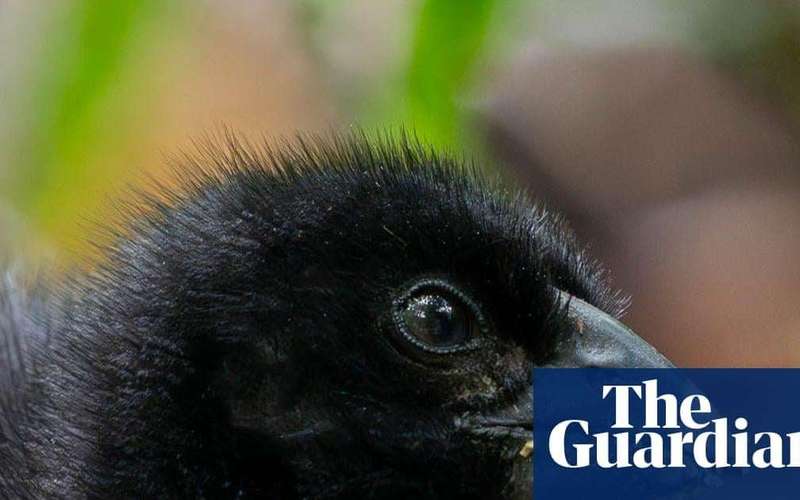
They are the world’s largest living rail – a family of small to medium sized ground-dwelling birds with short wings, large feet and long toes.
While they resemble Australasian swamp hens, or pūkeko in New Zealand, they are in fact their chunkier, flightless, mountain-dwelling cousin.
The birds once roamed the South Island, but were thought extinct at the turn of the 20th century, until they were rediscovered in 1948.
Since then they have been part of New Zealand’s longest running endangered species programme, which has slowly rebuilt their population to 500.
The chick’s father Bendigo and mother Waitaa arrived at the sanctuary two years ago as a non-breeding pair.
Bendigo, Waitaa and their chick are Zealandia’s only takahē residents but they are not the only takahē to surprise staff with a chick.
A former pair were thought to be past breeding age when staff discovered they too had hatched a surprise chick in 2018. »



![image for [Redacted]](b34f07b6-35ce-5eb8-8ed0-e9aa020ba9be_thumb.jpg)

![image for [OC] High (solar) noon in Fairbanks, AK, at a balmy -34°C/-30°F. Happy solstice, everyone!](b9b03ea5-537b-5e68-a675-c8f35f137ad1_thumb.jpg)
![image for [OC] An open casket memorial for the penny held in Washington DC](b7867509-e6a9-5db9-90de-173c8b6cff6e_thumb.jpg)