Luigi Mangione's pretrial hearing concludes as judge says he'll issue ruling on evidence in May
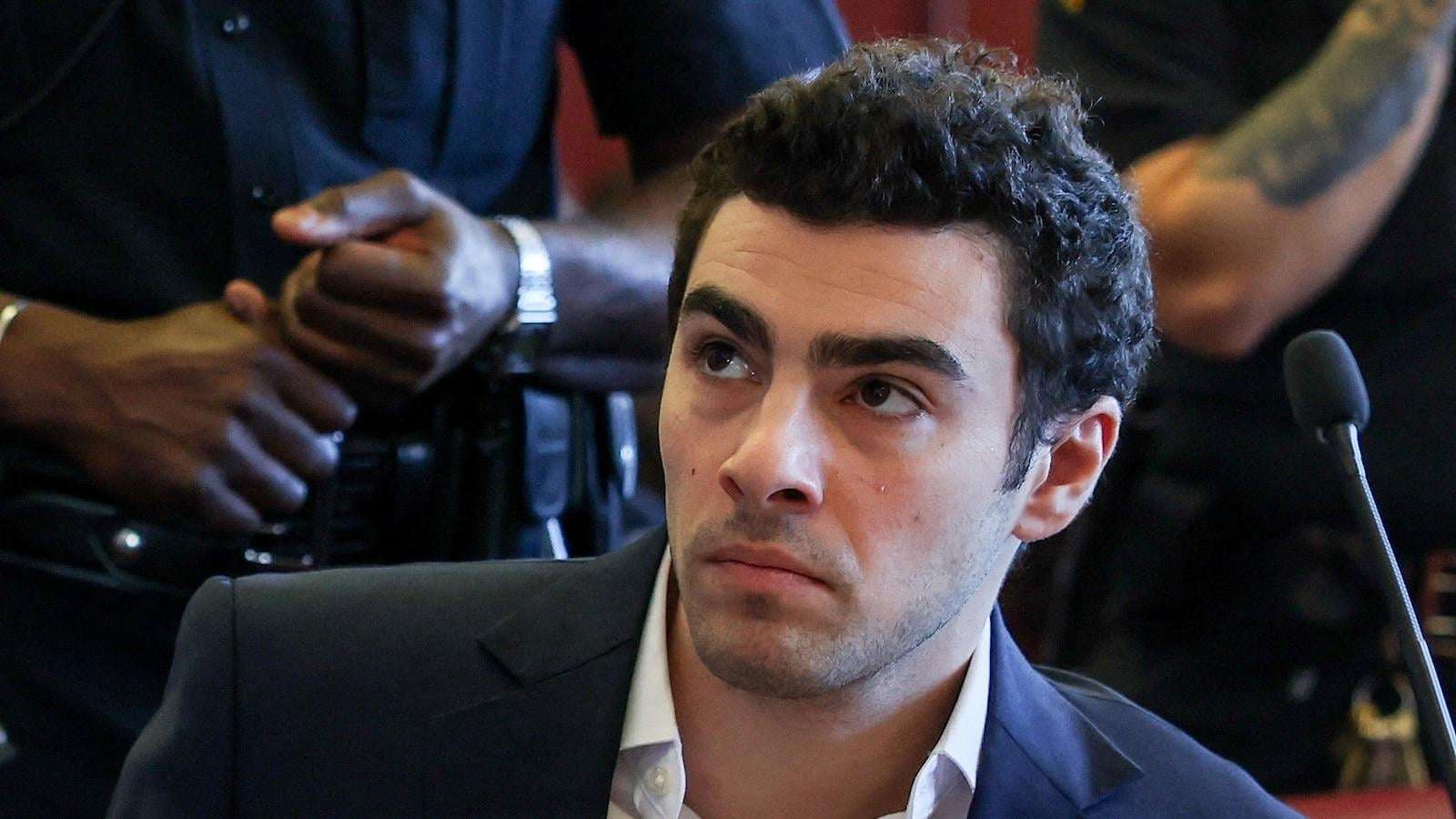
Luigi Mangione attends an evidentiary hearing in the murder case of UnitedHealthcare CEO Brian Thompson, at the Manhattan Supreme Court in New York, December 18, 2025.
The evidence suppression hearing in the case against accused CEO killer Luigi Mangione concluded Thursday after the defense signaled it would call no witnesses.
"The defense rests," defense attorney Karen Agnifilo said after prosecutors indicated they, too, rested.
The nine-day hearing will determine what evidence will be used against Mangione when he goes on trial on charges of gunning down UnitedHealthcare CEO Brian Thompson on a Manhattan sidewalk last year.
The defense has argued the officers violated Mangione's constitutional rights against illegal search and seizure because they lacked a warrant when they searched his backpack after Mangione was apprehended in a Pennsylvania McDonald's five days after the shooting.
New York Judge Gregory Carro gave the defense until Jan. 29 to make its final argument about the evidence in writing. Prosecutors have until March 5. The defense then has two weeks after that to submit a reply.
Carro said he expected to issue his decision about what, if any, evidence to exclude on May 18, at which point he would also set a date for trial.
Prosecutor Joel Seidemann pushed for the case to move toward trial, noting that Thompson's mother is 77 years old and is waiting for the case to reach a conclusion.
Luigi Mangione attends an evidentiary hearing in the murder case of UnitedHealthcare CEO Brian Thompson, at the Manhattan Supreme Court in New York, December 18, 2025. Shannon Stapleton/Reuters
The suppression hearing included testimony from 17 witnesses and produced new information about the case that the Manhattan district attorney's office is building against Mangione.
Higher-quality surveillance video of Thompson's murder that was played in court shows Thompson buckling against the side of the Hilton facade, the suspect calmly walking by the victim and bystanders pointing in the suspect's direction.
Multiple body-worn camera videos of the hour-long encounter at the McDonald's in Altoona, Pennsylvania, show officers approaching Mangione, placing him under arrest and searching his backpack.
The body camera footage shows officers collected more evidence from Mangione than previously known, including handwritten notes that prosecutors characterized as a "to-do" list, as well as possible "escape routes." One of the notes included a reminder to "pluck eyebrows."
Prosecutors played several 911 calls, and Pennsylvania correction officers testified that Mangione made statements about health care, how he was being perceived in the media, and about a 3D-printed gun.
Defense attorneys highlighted how Mangione was not read his rights until 19 minutes after officers first approached him. Officers testified they believed Mangione was the suspect in the New York shooting and were trying to confirm his identity without raising his suspicions because they were under a "high level of threat."
Altoona Patrolman Stephen Fox testified that Mangione saw the crowd of media gathered outside for his arraignment and quoted him saying, "All these people here for a mass murderer, wild."
Fox also testified that Mangione, after tripping on his shackles, said, "It's OK, I'll have to get used to it."
MrHyperion_ on December 18th, 2025 at 18:43 UTC »
Fastest court in the US
TRtheCat on December 18th, 2025 at 17:14 UTC »
It's obviously not exactly the same but it's a good time to watch 12 Angry men. There's a line in by Jonny Cash that applies here, "Where I was handled by 12 honest men." Getting 12 people to convict might be harder than the general public thinks. The burden of proof is beyond a reasonable doubt. Proving that, based only on evidence provided in the Courtroom is different from what you see or read. While jury nullification can't be argued directly as a defense, people still have emotions. Edit for double word.
AudibleNod on December 18th, 2025 at 16:21 UTC »
May?
I know this isn't a TV judge. But can any lawyer (or judge) explain the time frame. Is it the judge's schedule or is there that much actual stuff the judge has to review?
Also, what are both sides doing in the meantime?