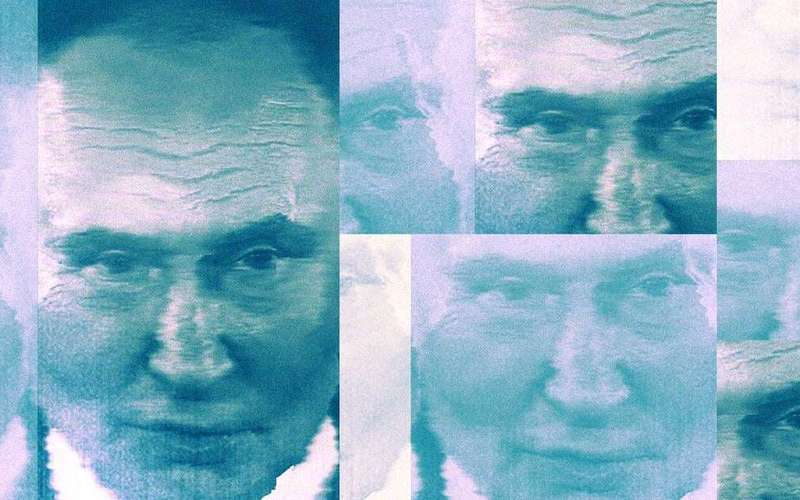
After taking over from the ailing Boris Yeltsin a quarter century ago, Putin started his presidency by projecting a near-comical image of manliness and invincibility.
If you Google phrases such as victory for Putin and big win for Putin, you find news stories stretching back years: Brexit, Syria, Donald Trump’s presidential victories in 2016 and 2024, Marine Le Pen competing in France’s presidential election, the Israel-Hamas war.
Ukrainian President Volodymyr Zelensky is now the public face of opposition to Russian imperialism, but even his election in 2019 was interpreted as a win for Putin.
Putin, a ruthless septuagenarian bent on restoring Russia to its imperial glory, is simply too good a villain for Western politicians and media commentators to ignore.
On Thursday, nearly a year after the jet incident, Putin publicly acknowledged that Russia had shot down the airplane, apologized, and promised compensation.
Underestimating Putin is dangerous, but ascribing dark powers to him makes the Russian leader mightier in Western minds than he is in reality.
A realistic view of his power would strip Putin of his biggest leverage: the perception of his invincibility. »
![image for [OC] Leftover Logan Paul Nectar](8f33da37-3db1-512e-b62e-0b20a5ea056b_thumb.jpg)
![image for [OC] Trying To Be Human](f1b8ae22-a641-5c5a-b950-6100ce3eacdc_thumb.jpg)