It’s certainly not an obvious choice as a source for battery materials.
But that’s exactly how it’s viewed by a group of New Zealand engineers.
Christchurch-based Aspiring Materials has developed a patented chemical process that produces multiple valuable minerals from olivine, leaving no harmful waste behind.
Perhaps most interesting to the energy sector is the rarest of its products—hard-to-source nickel-manganese-cobalt hydroxide that is increasingly required for lithium-ion battery production.
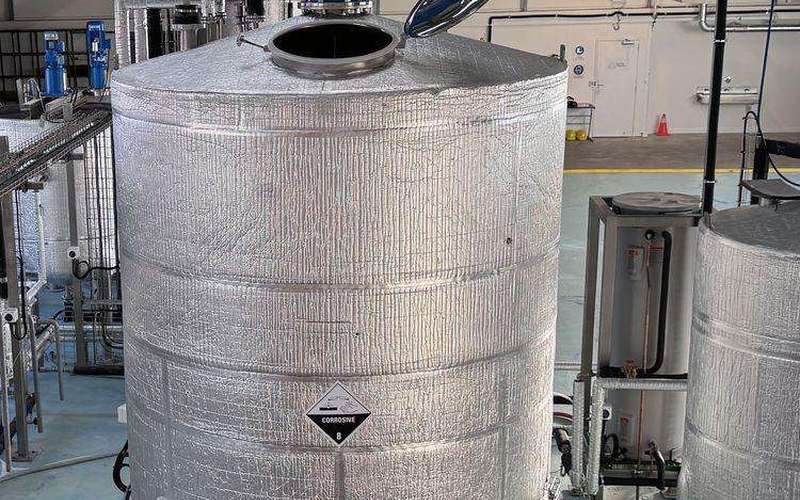
Aspiring’s pilot plant, which opened in February, is in an anonymous industrial estate east of the city.
The rock is olivine “flour”; a fine, green-gray dust that is an unwanted by-product from refractory sand production.
“What we’ve been able to produce here matches the specs of what is currently used in the battery space,” says Danczyk. »






![image for Scary animal in our backyard [OC]](36d47227-7aa3-559f-82b9-fc77c1fdf3c7_thumb.jpg)