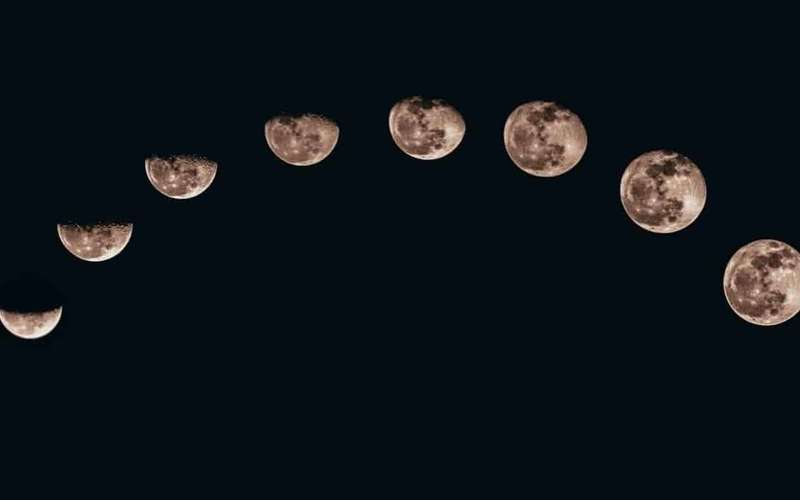
In a move that’s turning heads in space policy circles, the White House has announced the creation of an official time standard for the Moon.
Until now, all lunar missions have operated using Earth-based time—specifically UTC.
According to Einstein’s theory of relativity, time doesn’t tick the same way everywhere in the universe.
Because the Moon’s gravity is weaker, time there runs slightly faster—by roughly 59 microseconds per day.
It may sound trivial, but when you’re coordinating precise landings, robotic operations, or future lunar infrastructure, that difference can introduce critical errors.
By spearheading the development of Lunar Coordinated Time, the US is essentially offering to set the operating rules of the road for Moon-based missions—something that has major geopolitical weight.
And that makes it one of the most fascinating geopolitical plays we’ve seen in the space arena in years. »


![image for [OC] Seen in Louisville today](2e2bcd3d-9469-5f71-a929-8cf66565aec7_thumb.jpg)

![image for [OC] got pulled over for the first time in forever, and my dog was more than a little confused…](5738abbf-235d-5bb6-9000-ad9d50848fb6_thumb.jpg)


![image for The view from my house in the Philippines [OC]](a60ff948-b855-593f-bacc-c7244e949e9b_thumb.jpg)
![image for [OC] Walpurgis day celebration in Borgvik, Sweden.](65e5d898-e575-5519-aee0-8d4581707f91_thumb.jpg)