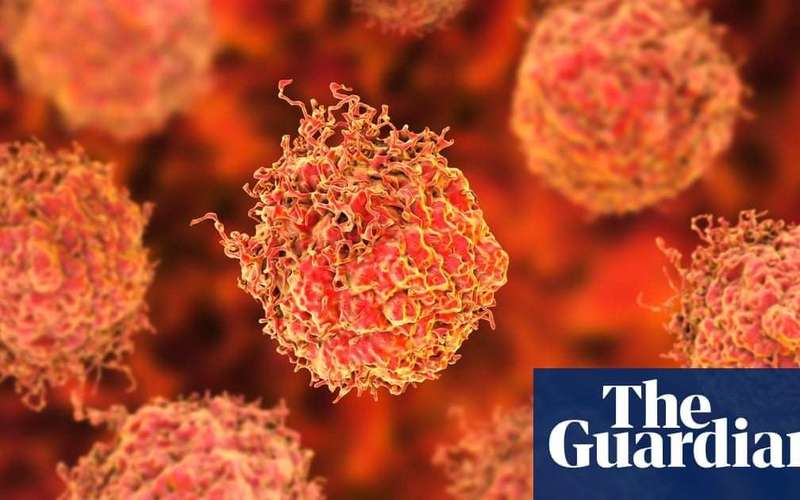
A more precise form of prostate cancer surgery nearly doubles the chances of men retaining erectile function afterwards compared with standard surgery, according to the first comprehensive trial of the procedure.
If the examination suggests the tumour has been removed, the nerve-containing outer layer of the prostate can be left intact, reducing the patient’s risk of erectile problems.
Prostate cancer is the most common form of cancer in men in England, with 50,000 cases diagnosed each year.
Recent developments in robotic surgery have allowed doctors to perform precision “nerve-sparing” operations in prostate cancer patients.
The trial assessed 344 men with prostate cancer who had no history of erectile dysfunction.
A year later, 56% of men who had standard surgery reported severe erectile dysfunction, compared with 38% who had NeuroSafe surgery.
Dr Matthew Hobbs, the director of research at Prostate Cancer UK, said: “Prostate cancer surgery is a life-saving option for lots of men, but it’s a major procedure that can cause side-effects like erection problems. »










![image for [OC] The SS United States docked in Mobile, Alabama](52cecfc9-2a25-502c-96e6-f54b321efa81_thumb.jpg)