During a recent, wide-ranging interview with PC Gamer's Joshua Wolens, Rebellion CEO Jason Kingsley said the studio's formula for success is built on being "very professional with controlling scope and costs," and a willingness to say, when necessary, "guys, this game's too big." But while making massive, sprawling games isn't something Kingsley seems interested in doing, he does seem genuinely impressed by those who do it.
"You look at some of these massive games being made by huge teams of very, very talented people, and you think, 'How do you organize a game that has 2,000 people working on it?' Kingsley said. "I mean, just the level of organization of organization must be mind-numbing. We've got layers of organization. We've got producers, and we've got leads, and we've got discipline leads. But they must have several layers above that, of people who are in charge of the people who are in charge of the people.
"It must be thrilling and exciting and massive, because they cost a fortune, and they're incredibly beautiful pieces of work. But sometimes they're so damn big."
Logistics and finances aren't the only practical reasons for Rebellion keeping its focus on games smaller than, say, an Assassin's Creed or Grand Theft Auto. Kingsley said the studio's audience tends to be "older," and it's got other responsibilities to attend to.
"I look at some games, and I start them because I feel I ought to, and then, you know, it tells you you've been playing for 10 hours, and you're 1% of the way through the game," Kingsley said. "And you think, you know what, I've got a family, I've got work to run, and I've got errands, I've got to clean the house a bit. I've got things to do, and so I can only give a certain amount of my time to a computer game.
"So what I really want is a game that gives me a sense of achievement, and with the vaguest possibility that I actually might finish it. And so it'd be really interesting to know how many games are actually finished, and how many games are just abandoned by what proportion of people. It'd be interesting research to do, I think. I would like to think that lots of people finish our games and come back to play them again. That's my ideal situation to give value for money."
As an aging gamer myself, I very much feel that: I love the idea of big games, and there was a time long ago when I thought RPGs without at least 100 hours of core gameplay were lightweight, but the reality is that it's just not practical anymore. Given the current state of the industry, which has been decimated by cuts and closures over the past few years, I'd say the same holds true for game development, too.
The biggest gaming news, reviews and hardware deals Keep up to date with the most important stories and the best deals, as picked by the PC Gamer team. Contact me with news and offers from other Future brands Receive email from us on behalf of our trusted partners or sponsors
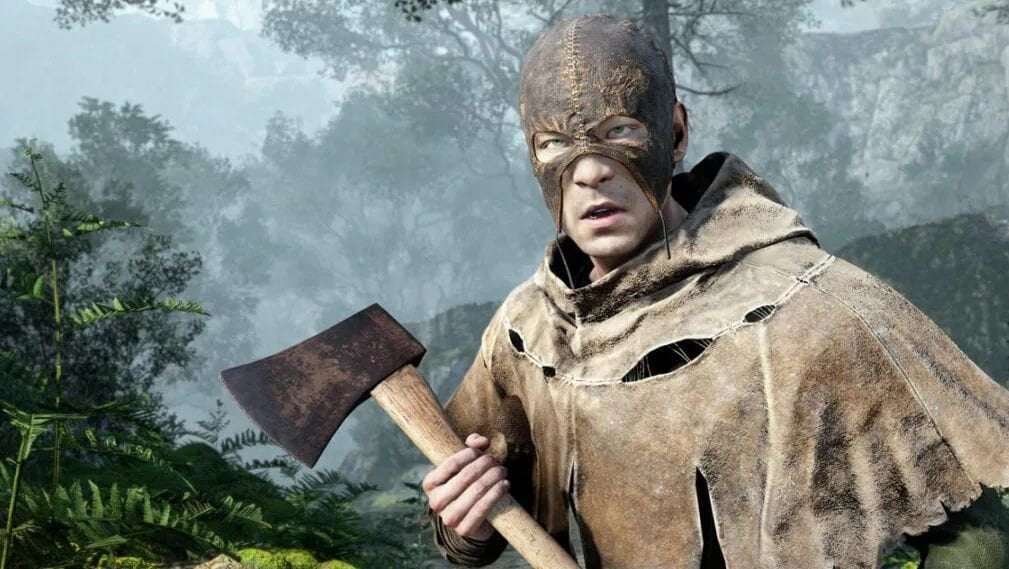
Rebellion's next game, the Stalker-in-the-North survival shooter Atomfall, is set to launch on March 27.
BenniRoR on March 12nd, 2025 at 11:00 UTC »
Love Rebellion, but what is going on over there that I read about the Rebellion CEO doing or reacting to something literally every single week now? Is this some kinda publicity stunt because their next game Atomfall releases soon?
keiranlovett on March 12nd, 2025 at 08:50 UTC »
As a dev that worked on a 2,000 person team I can confirm.
Just the amount of extra effort to keep everyone aligned on the same vision is incredible. There’s whole economies is scale.
People whose only job is just writing internal newsletters on what Team A through Z are doing. Layers and layers of producers just keeping various schedules aligned or adjusting for the variances in deliverables. Teams making tools for other teams to ensure there’s consistency in the project code.
Having shipped AAA it really is amazing how anything gets made.