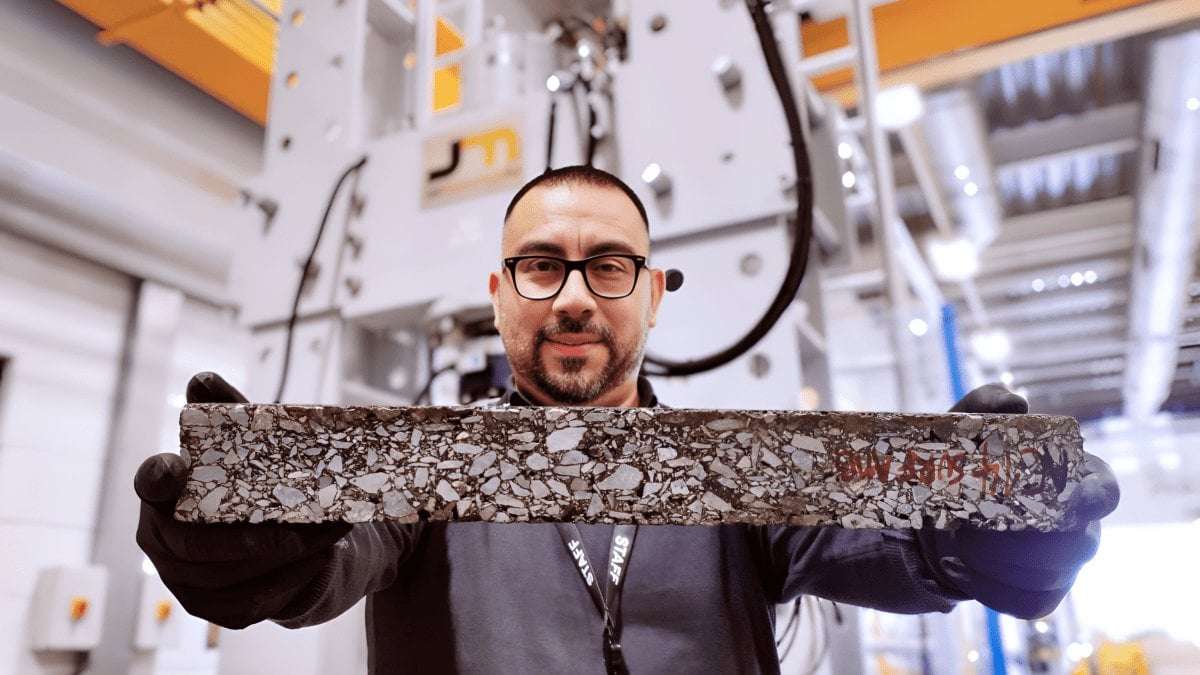
Potholes are the £14.4 billion problem blighting Britain’s roads and leaving behind many a frustrated motorist.
Now engineers believe “self-healing” roads may be the solution. Research suggests that asphalt roads could be made far more durable by adding a new ingredient: recycled cooking oil.
Potholes typically appear when water penetrates cracks in the asphalt over the winter. When the water freezes, it expands, making the cracks larger and forming fresh ones. When the broken-up material is washed away, a pothole is left behind.
The research, which included input from Google and King’s College London, involved creating a sophisticated computer model of how this process unfolds at a molecular level. In particular, the team looked at how bitumen — the sticky black material used to bind
TaxOwlbear on February 3rd, 2025 at 16:13 UTC »
Good if true, but this still requires all currency existing potholes to be fixed, as well as future ones on roads not using the new asphalt.
shadowylurking on February 3rd, 2025 at 15:02 UTC »
I hope this works under real world conditions. When it rains oil seeps out of the asphalt. If the recycled cooking oil can stay inside the asphalt, we got a winner
TimesandSundayTimes on February 3rd, 2025 at 14:51 UTC »
Potholes are the £14.4 billion problem blighting Britain’s roads and leaving behind many a frustrated motorist.
Now engineers believe “self-healing” roads may be the solution. Research suggests that asphalt roads could be made far more durable by adding a new ingredient: recycled cooking oil.