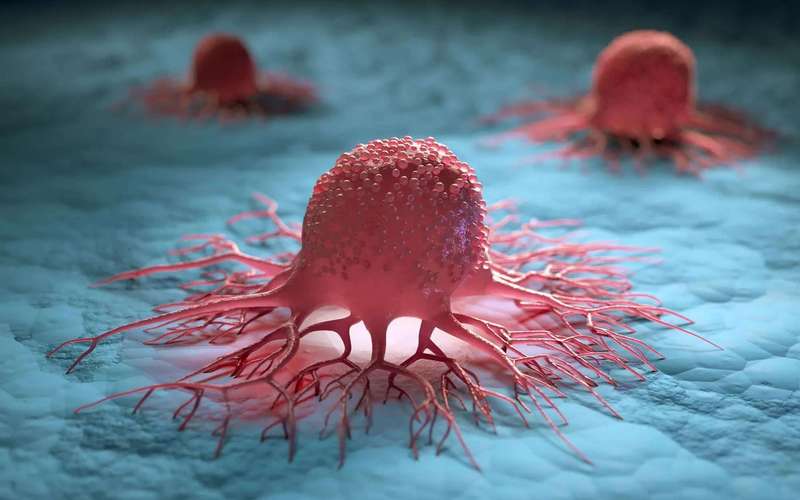
This kind of "external" oncogenes make cancer drug-resistant, and it could become one of the main targets for new and effective treatments in the future.
Extrachromosomal DNA, or ecDNA, is a piece of genetic material found outside of chromosomes in human cells.
Chromosomes are the main repository for normal genetic material, providing instructions on how to behave, function or reproduce to the aforementioned cells.
A team of chemists, biologists, geneticists, mathematicians, and immunologists from California, UK and research centers in other parts of the world has discovered the fundamental role played by ecDNA in the spread and relapse of cancer.
The secret recipe for cancer spreading, as it turns out, is that oncogenes hide within ecDNA before becoming active again.
The team of scientists received funding from the Cancer Grande Challenges initiative, a UK-registered charity created to promote progress in the global research against some of cancer's "toughest challenges."
Now that ecDNA has been identified as a fundamental element for cancer research, scientists think they will have a lot of work to do in the coming years. »