The Ebola virus devastated west Africa in 2014, claiming over 11,000 lives in Sierra Leone, Liberia and Guinea.
It was the largest Ebola outbreak since the virus had first been discovered in the Democratic Republic of Congo in 1976.
Ebola is a terrifying virus which, if left untreated, causes bleeding inside the body and through the eyes, nose, mouth and rectum.
The 2014 outbreak in west Africa exposed a critical gap in global preparedness for infectious diseases: the absence of effective vaccines.
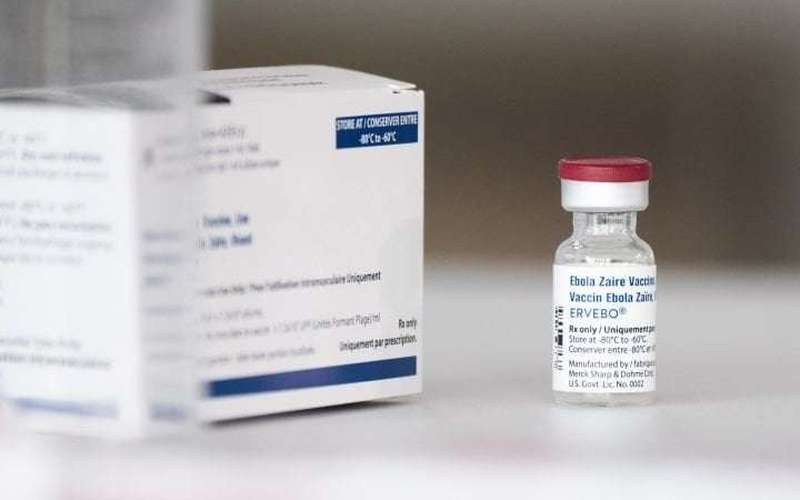
As a biologist and epidemiologist, I travelled to Guinea amid the chaos to coordinate the laboratory activities of the rVSV-ZEBOV Ebola vaccine trials.
It works by using a modified virus to produce antibodies against Ebola, equipping the immune system to recognise and neutralise the virus upon exposure.
Challenges do persist, including limited vaccine supply, logistical hurdles in remote regions, and vaccine hesitancy fuelled by misinformation. »