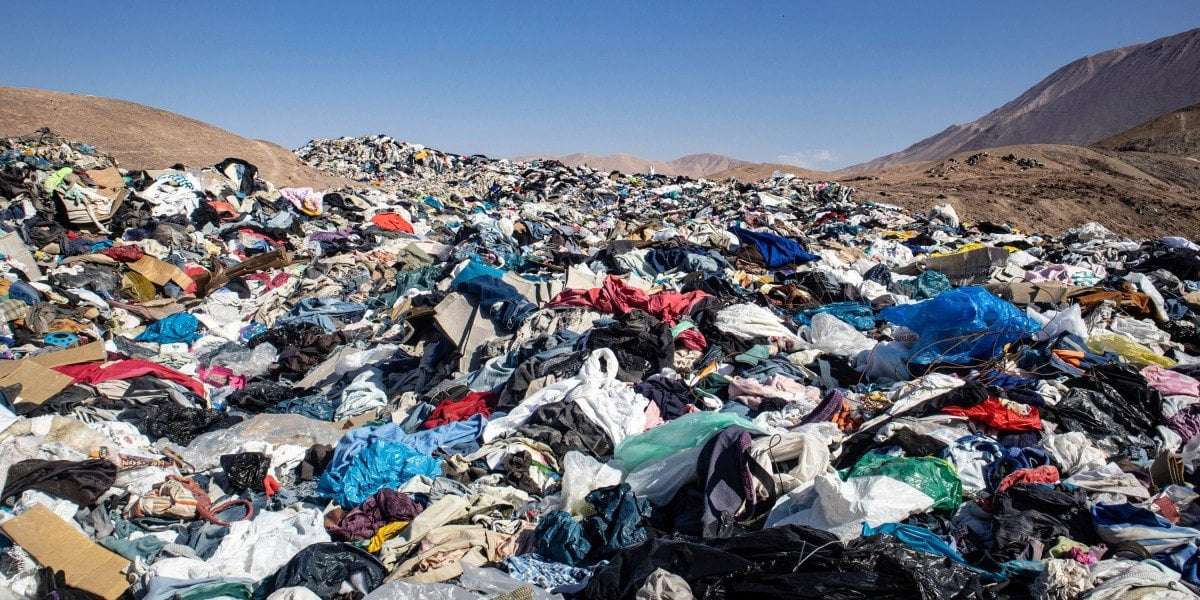
Many garments are made of a mix of natural and synthetic fibers. Once these fibers are combined, they are difficult to separate. This presents a problem for recycling, which often needs textiles to be sorted into uniform categories, similar to how we sort glass, aluminum, and paper.
To tackle this problem, Andini and her team used a solvent that breaks the chemical bonds in polyester fabric while leaving cotton and nylon intact. To speed up the process, they power it with microwave energy and add a zinc oxide catalyst. This combination reduces the breakdown time to 15 minutes, whereas traditional plastic recycling methods take over an hour. What the polyester ultimately breaks down into is BHET, an organic compound that can, in theory, be turned into polyester once more. While similar methods have been used to recycle pre-sorted plastic, this is the first time they’ve been used to recycle mixed-fiber textiles without any sorting required.
In addition to speeding things up, the use of microwave energy also reduces the technique’s carbon footprint because it’s quicker and uses less energy, says Andini.
Nisseliten on July 4th, 2024 at 20:32 UTC »
That’s great, but how about we go back to making fabric that actually lasted to begin with, that didn’t self destruct after a single wash?.. Then they wouldn’t really need to be recycled..
This is solving a problem that shouldn’t be a problem..
photo-manipulation on July 4th, 2024 at 17:59 UTC »
In 5 years; “Polyester dissolving process linked to new form of cancer”
ITividar on July 4th, 2024 at 16:27 UTC »
It's funny that we have to invent a separate recycling process for a whole shit-ton of "fabrics" because they're basically plastic.