Normally well beyond the range of most of Ukraine’s anti-personnel weapons, it had been fairly safe for its Russian occupiers.
This helps to explain why, on or just before Wednesday, potentially hundreds of Russian troops gathered out in the open in a field near Kuban—apparently for training.
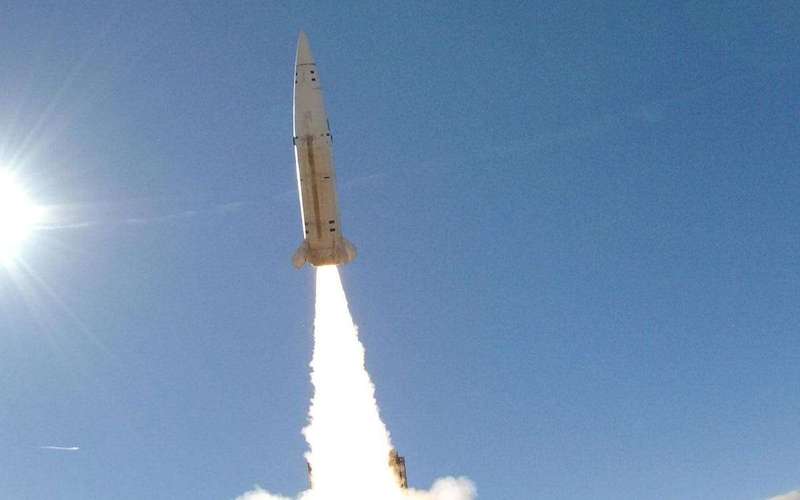
As the Russians milled about in broad daylight on that field outside Kuban, and a Ukrainian drone observed from high overhead, four of the two-ton ATACMS streaked down.
And they had ample warning that the Ukrainians would fire them at the most vulnerable concentrations of Russian forces—including training grounds.
When the Ukrainians got their initial small batch of ATACMS, last fall, they promptly hurled the rockets at a pair of Russian airfields, damaging or destroying as many as 20 helicopters.
The attack on the S-400 was a reminder that no Russian air defenses can reliably shoot down an incoming ATACMS.
The implication was clear: as of April, any exposed Russians within 190 miles of the front line were vulnerable to Ukraine’s growing arsenal of ATACMS. »